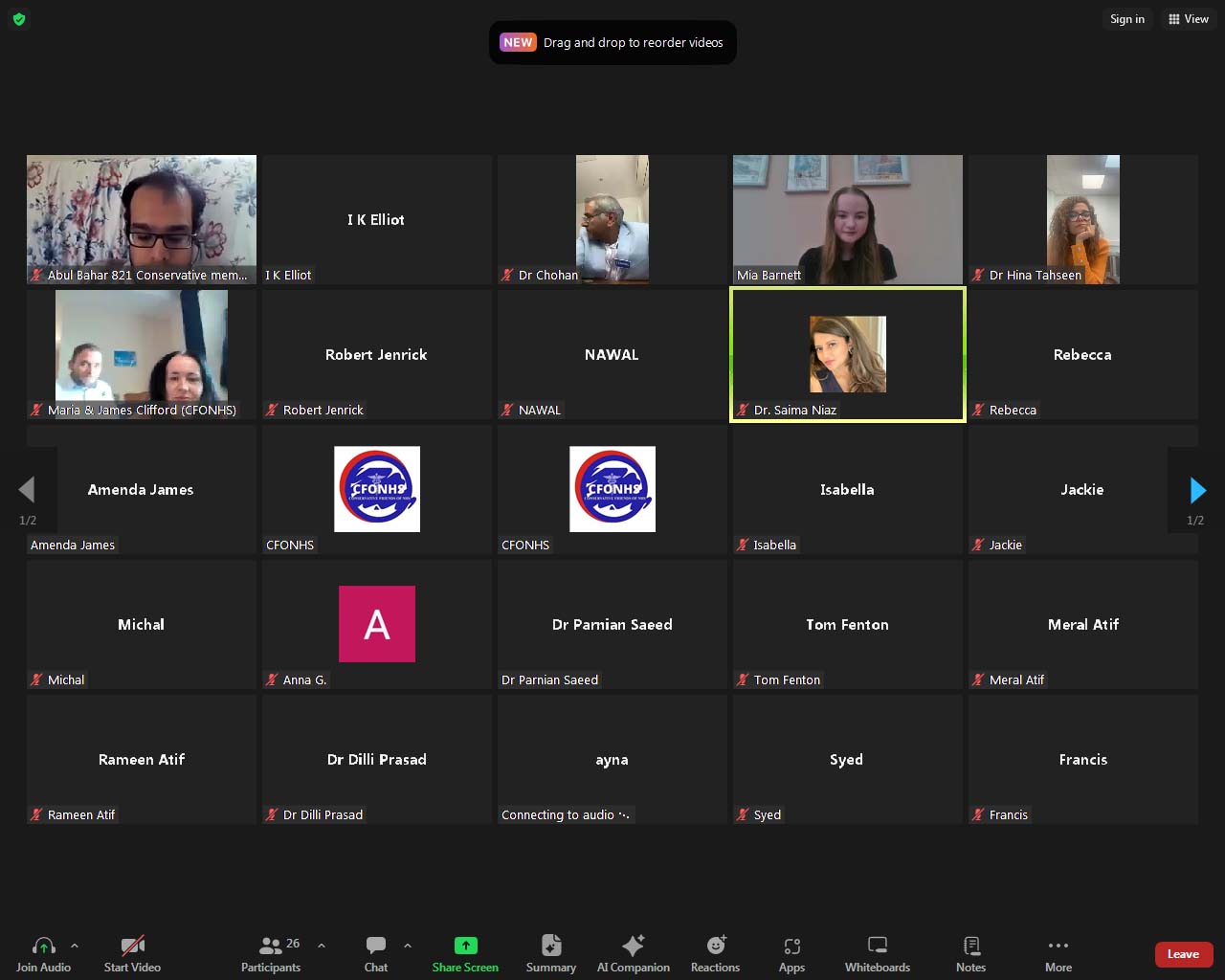
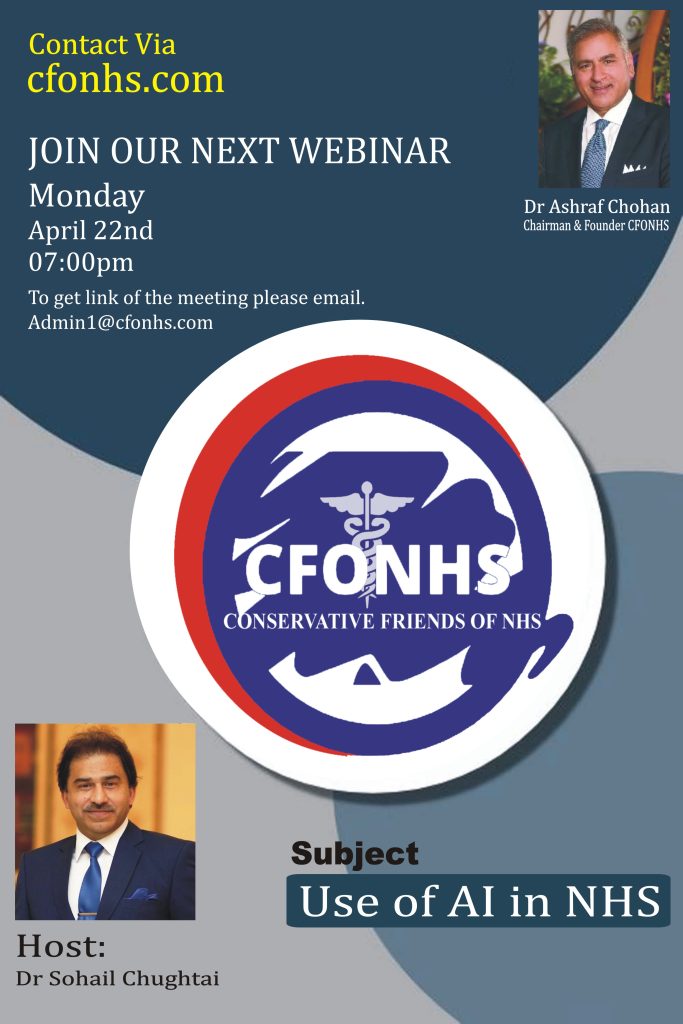
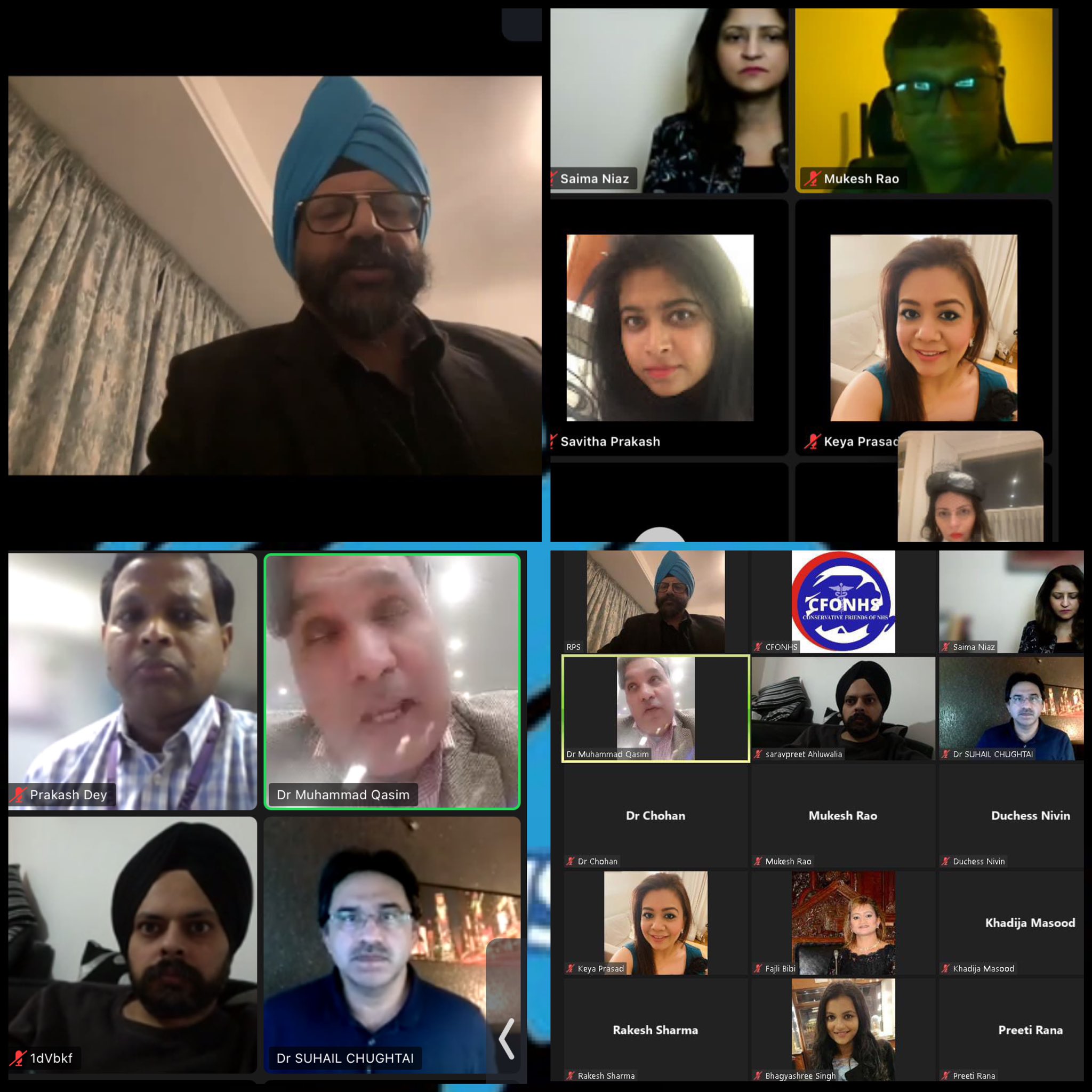
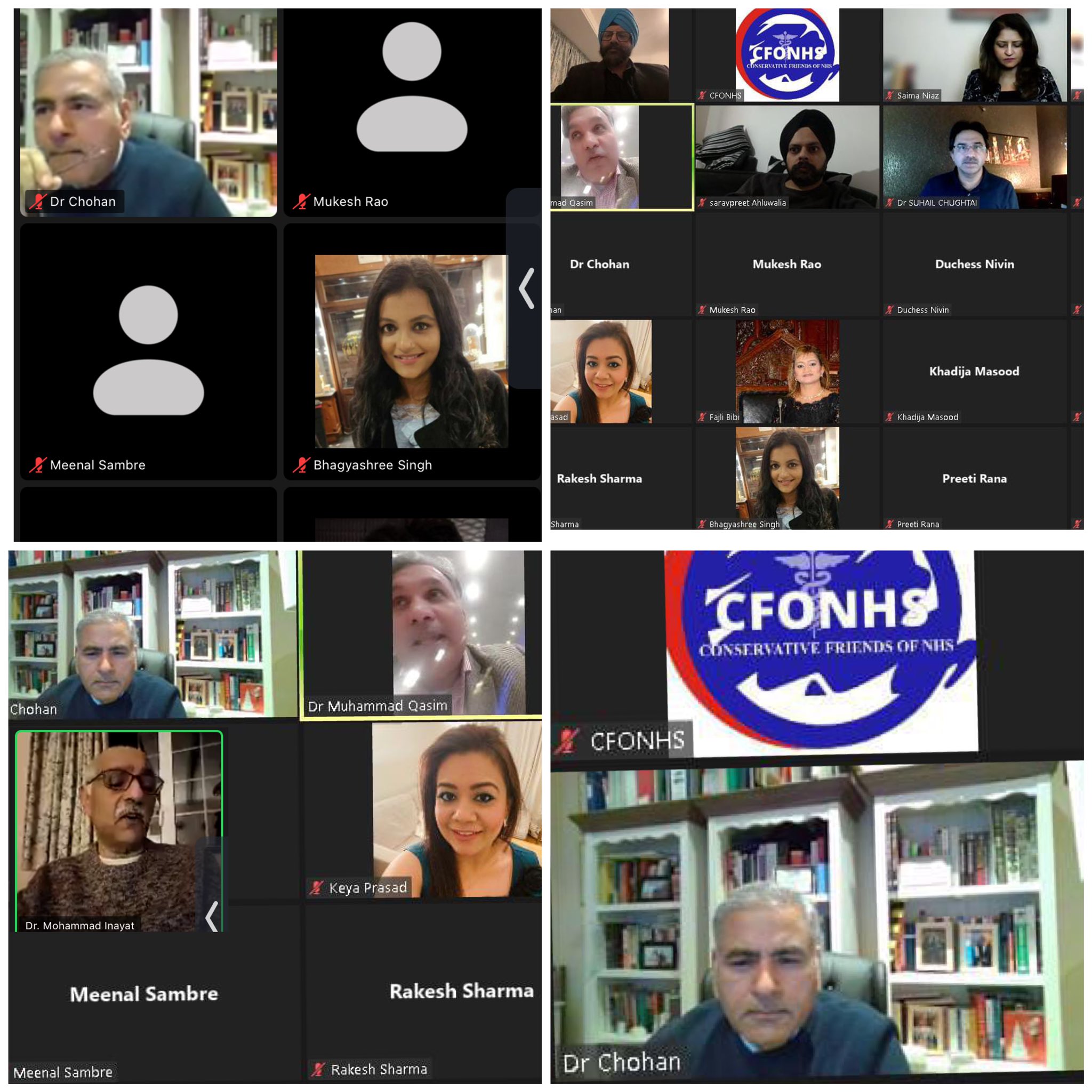
Webinar Report: The Use of AI in the NHS (April 22nd, 2025)
Introduction
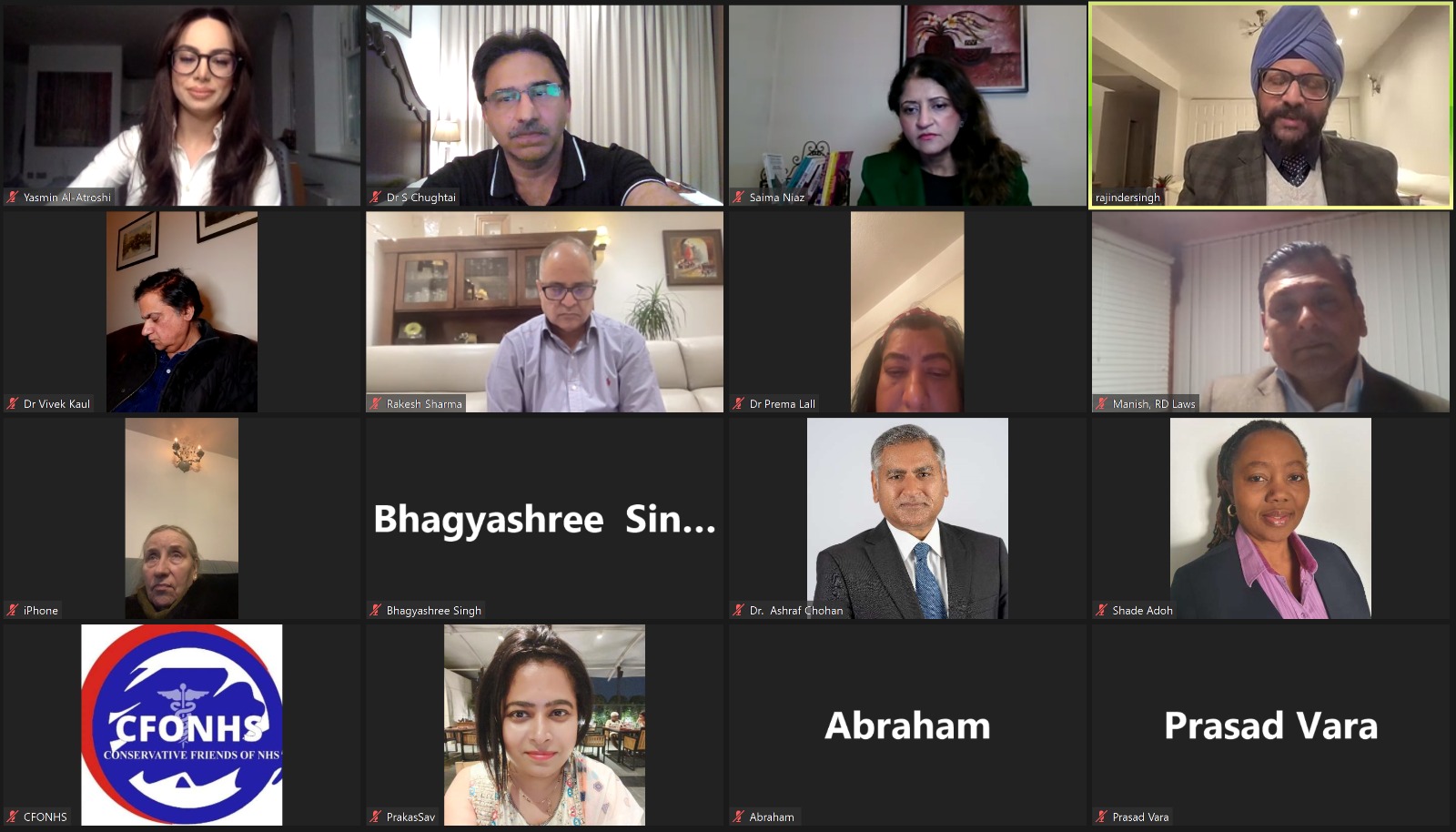
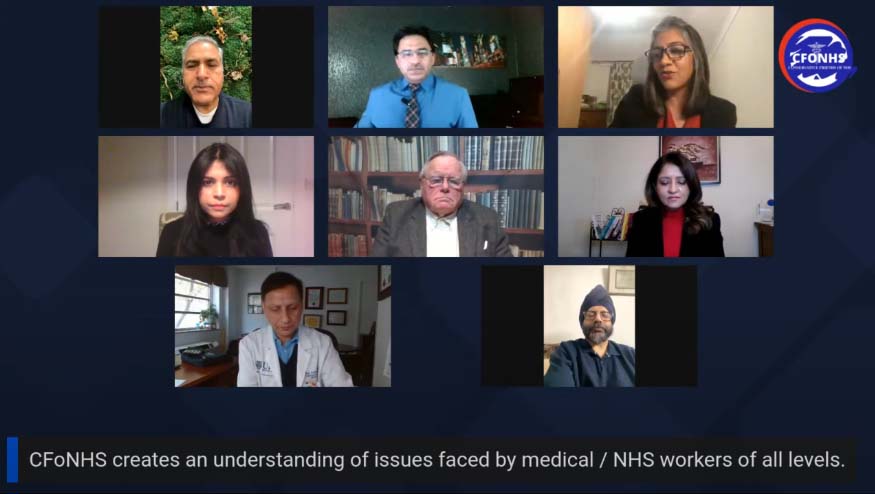
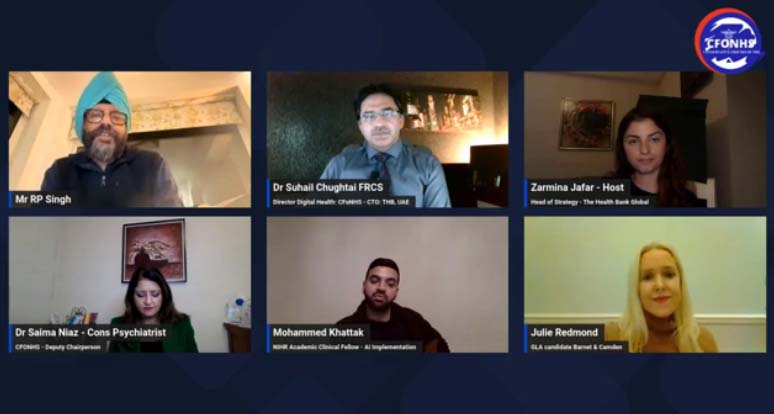
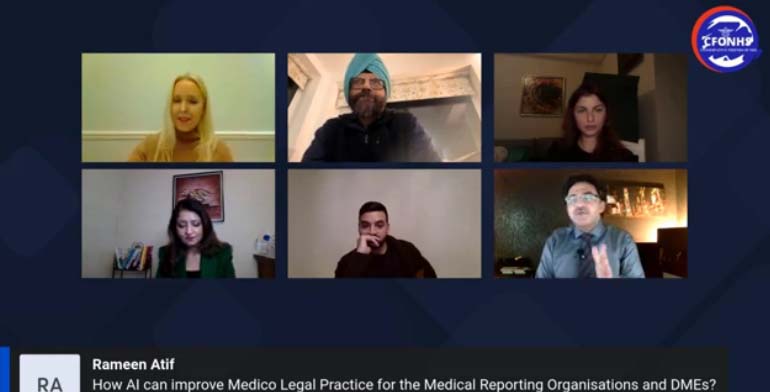
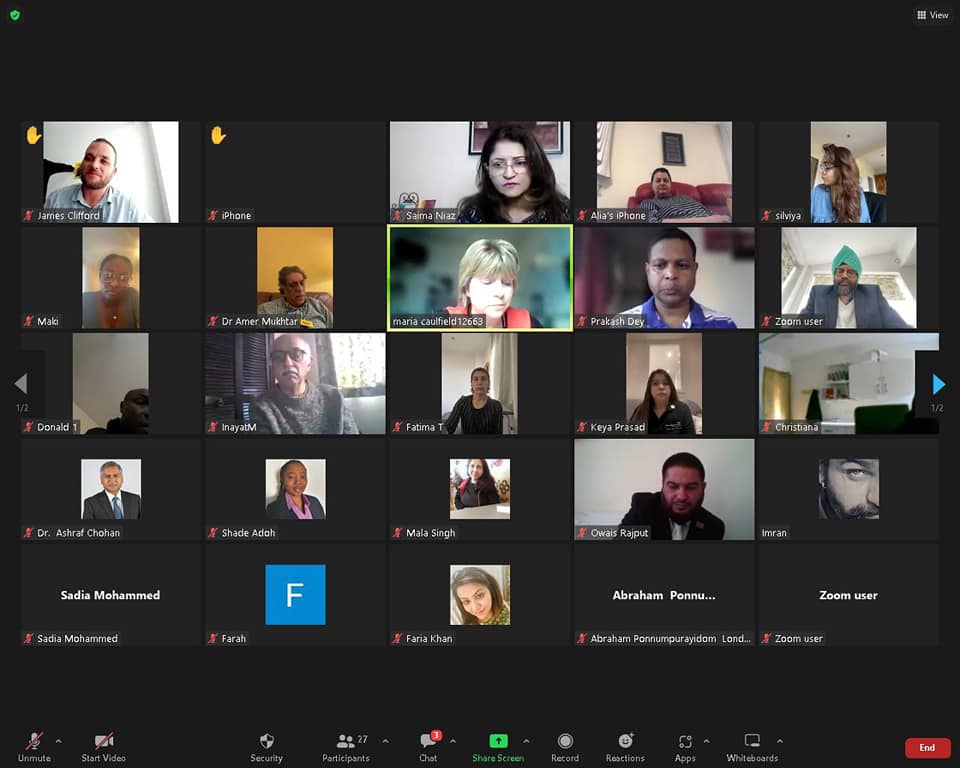
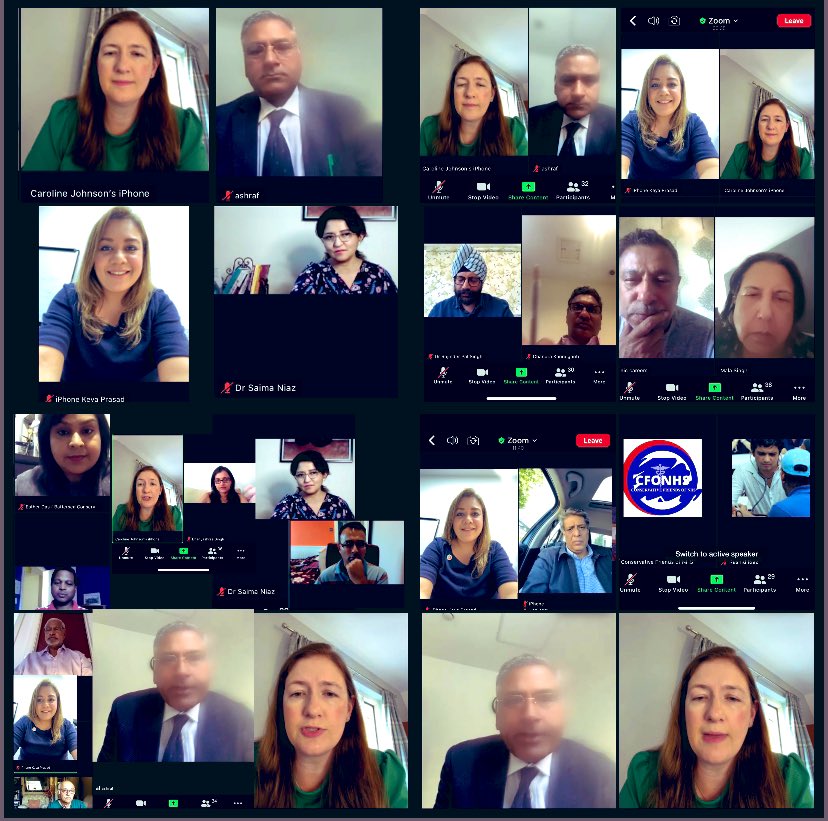
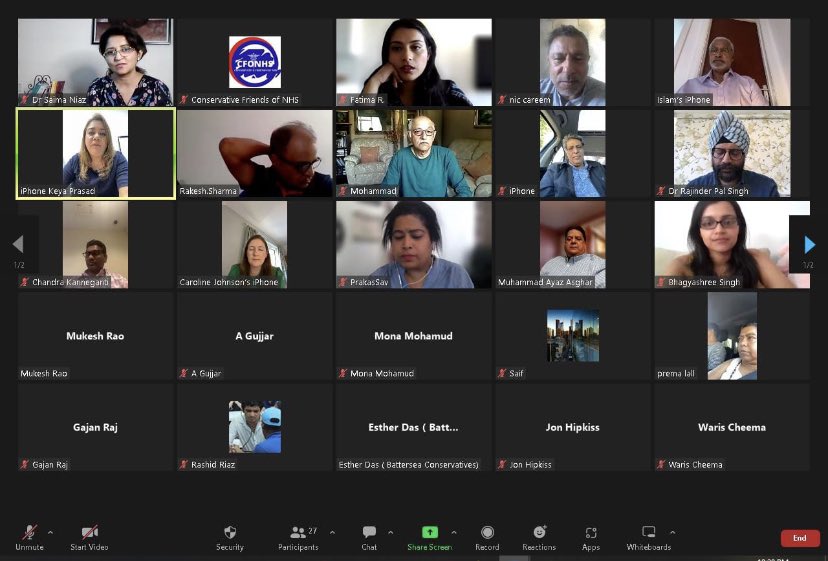
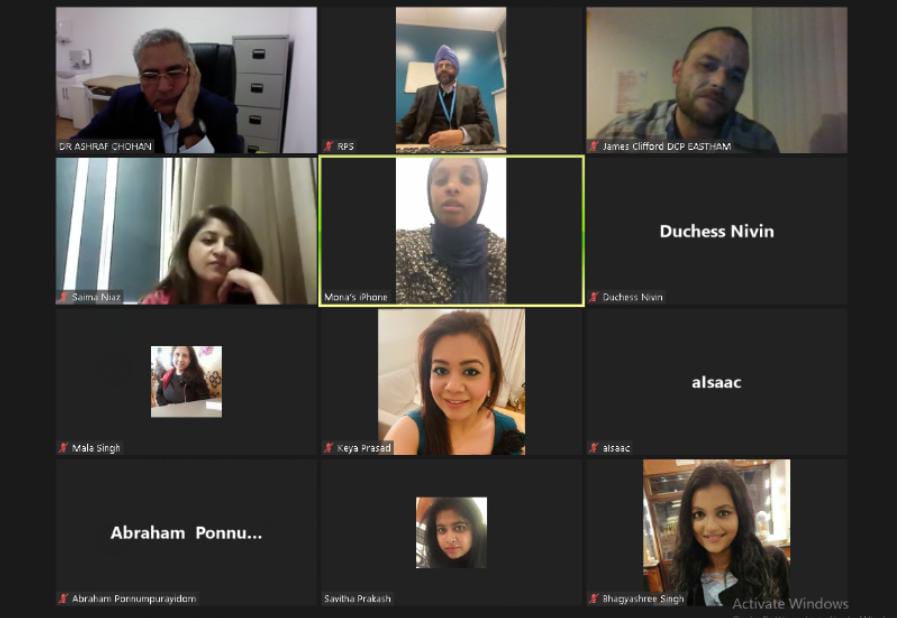
On April 22nd, we hosted a highly insightful webinar on the integration of artificial intelligence (AI) in the National Health Service (NHS). The event saw participation from a large number of doctors, nurses, and healthcare professionals, all of whom contributed valuable perspectives on AI’s potential and challenges within the NHS. The keynote speaker for the session was Dr. Chughtai, an esteemed expert in medical technology and AI-driven healthcare solutions.
This report provides a comprehensive overview of the webinar, including key points from Dr. Chughtai’s speech, discussions by healthcare professionals, and insights on the future of AI in the NHS.
Keynote Speech by Dr. Chughtai
Dr. Chughtai’s speech covered multiple critical aspects of AI implementation in the NHS, including its current applications, future potential, ethical concerns, and challenges faced by healthcare professionals. Below are the key points from his address:
1.Current Applications of AI in the NHS
• AI is already playing a significant role in diagnostic imaging, allowing for faster and more accurate detection of diseases such as cancer, stroke, and cardiovascular conditions.
• Machine learning algorithms are being utilized to predict patient deterioration in intensive care units (ICUs) and emergency departments.
• AI-powered chatbots and virtual assistants are supporting patient triage, reducing the burden on frontline staff.
2.Future Potential of AI in Healthcare
• AI has the potential to revolutionize personalized medicine by tailoring treatments to individual genetic profiles.
• Automation of administrative tasks can improve efficiency, reducing the workload for doctors and nurses.
• AI-driven robotic surgery could enhance precision and outcomes in complex surgical procedures.
3.Ethical and Practical Concerns
• Dr. Chughtai highlighted ethical concerns surrounding patient data privacy and AI-driven decision-making.
• Bias in AI models was identified as a potential risk, especially if the training data does not reflect diverse patient populations.
• He emphasized the need for transparent AI systems where healthcare professionals remain in control of critical decisions.
4.Challenges in AI Adoption
• Resistance to AI adoption among healthcare staff due to fears of job displacement and trust in machine-generated decisions.
• The necessity of robust AI governance policies and regulatory frameworks to ensure safe implementation.
• Integration challenges with existing NHS IT infrastructure and electronic health record (EHR) systems.
Discussion and Input from Healthcare Professionals
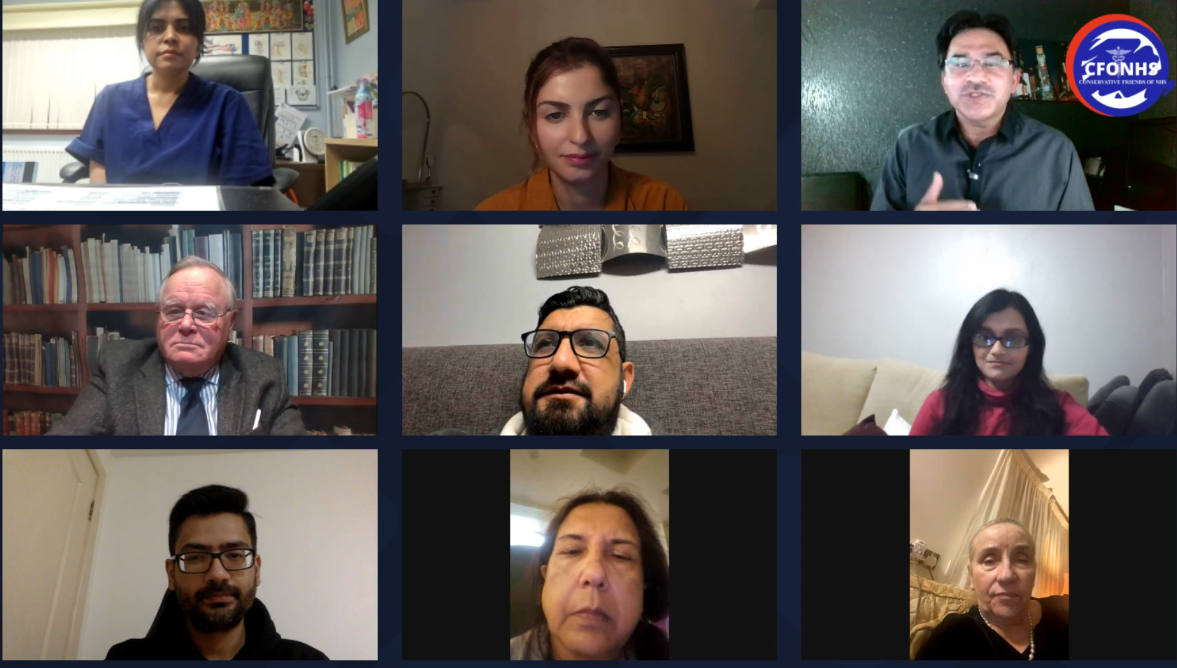
Following Dr. Chughtai’s address, the session was opened for discussion, where doctors and nurses shared their experiences, concerns, and expectations regarding AI in the NHS. Key discussion points included:
• Workforce Training and Readiness: Many participants stressed the importance of AI training programs for healthcare workers to ensure they can effectively collaborate with AI systems.
• Impact on Patient-Doctor Relationship: There was concern that increased AI involvement could reduce human interaction in patient care, potentially affecting patient trust and satisfaction.
• Reliability and Accountability: A significant concern raised was accountability in AI-driven decision-making—who bears responsibility if an AI system makes an incorrect diagnosis or treatment suggestion?
• AI in Mental Health Services: Several attendees discussed the potential for AI-powered tools to support mental health assessments and therapy, particularly in addressing NHS workforce shortages in psychiatry.
Conclusion and Next Steps
The webinar highlighted both the transformative potential of AI in the NHS and the challenges that must be addressed for successful implementation. While AI can enhance efficiency, diagnosis, and treatment, it is essential to ensure ethical deployment, comprehensive training, and a balanced approach that retains the human touch in healthcare.
As a follow-up, we plan to:
• Conduct further discussions with NHS policymakers on AI governance and regulations.
• Develop AI training workshops for NHS staff to improve AI literacy and adoption.
• Advocate for AI transparency and patient-centered approaches in NHS AI deployment.
The webinar was a highly engaging and thought-provoking session, reaffirming that AI in healthcare is not just about technology but also about people, ethics, and trust. We look forward to continued discussions and collaborations in shaping the future of AI in the NHS.